


When the water rises, who holds the line?

The evidence has been building for years. Women bear the heaviest burden when climate disasters hit, not because of any inherent vulnerability, but because of where they stand in communities: closest to the land, closest to the children and elders, closest to the consequences when disaster strikes.
A recent Guardian investigation has only brought this into sharper focus. Reporting from Brazil, the article traces three disasters across three years, Petrópolis, Recife, Rio Grande do Sul, each larger than the last, each revealing the same pattern. Women managing the immediate crisis. Women navigating displacement. Women absorbing the trauma of loss while continuing to hold families together. And then, in some cases, women turning that experience into advocacy, legislation, and long-term change.
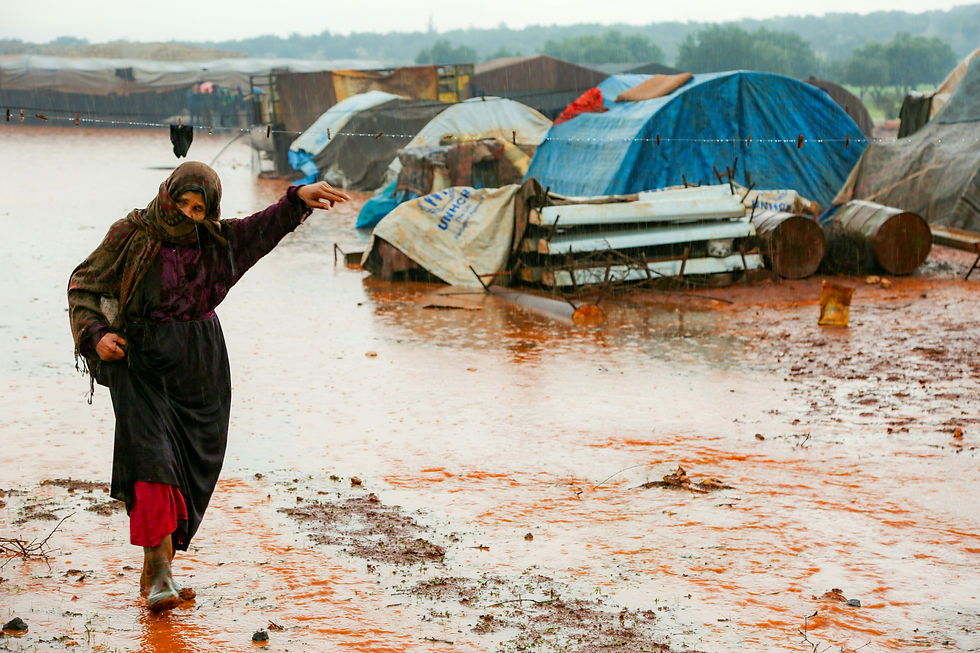
Their stories are worth reading, and sitting with. They are three women of the 250 million people globally displaced by climate-related disasters over the last decade, the equivalent to 70,000 people forced from their homes every day.
Why women carry this disproportionately is not a mystery. Research has consistently shown that access to land, income, healthcare, and decision-making power determines how people prepare for, survive, and recover from extreme events. Black women, Indigenous women, women in poverty face compounding barriers that are structural, not incidental.
Women's leadership in restoration work is not a symbolic gesture. It is a practical one. Where women are involved in land stewardship and community decision-making, outcomes are better, for forests, for food security, for the whole community. Our Why Women page goes into this in more detail, drawing on data, studies and the voices of the women we work with.
What's happened in Brazil also illustrates something that can get lost in the urgency of emergency response. Resilience is not built in the aftermath of disaster. It is built in the steady, unglamorous work that happens before, tending land, strengthening local food systems, organising communities, protecting water sources. These are the things our partners do every day, and why that work matters.
The article is a stark reminder of what is at stake when the people holding communities together are also the least resourced to do so.
Read the full piece here. Learn more about why TreeSisters centres women in restoration and climate work here.


